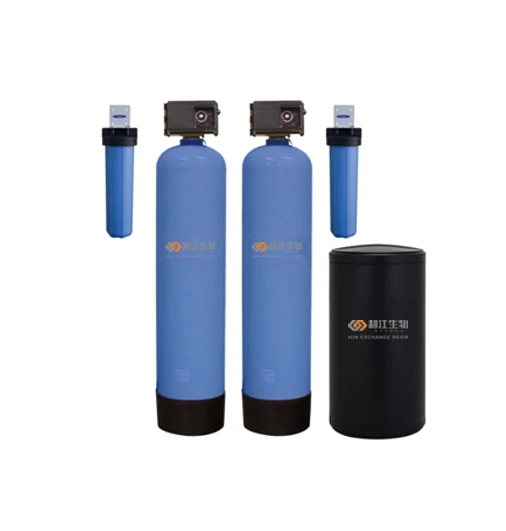
water regeneration tank
Hydrometallurgy: Unlocking the Power of Water in Metal Recovery Let's start with a quick snapshot. Hydrometallurgy might sound like a mouthful — and frankly, a bit niche — but it’s quietly reshaping how the world extracts metals. At its core, it uses aqueous solutions to dissolve and recover metals from ores, a process packed with potential benefits. Why should you care? Because the way metals get out of the ground directly affects everything from the batteries in your phone to the electronics powering green energy projects. Understanding hydrometallurgy means peeking into a cleaner, more efficient, and socially responsible future of mining. The Global Pulse: Why Hydrometallurgy Matters Now On the global stage, demand for metals like copper, lithium, and nickel has surged — more than doubling in some cases over the past decade, according to the United Nations. This push comes alongside a growing awareness of mining’s environmental footprint. Traditional methods, such as pyrometallurgy (smelting and roasting), often require immense energy and generate significant emissions. Hydrometallurgy offers a solution that’s less energy-hungry and potentially more sustainable, addressing both economic and environmental challenges. But the challenge remains: how to scale this approach across diverse mineral deposits worldwide, while meeting the stringent standards set by organizations like ISO for environmental safety. Industry players and governments alike are eyeing hydrometallurgy as an adaptable remedy — flexible enough to handle low-grade ores or even urban mining from electronic waste. Defining Hydrometallurgy in Plain Terms So, what exactly is hydrometallurgy? At its simplest: it’s a metal extraction technique where water-based solutions break down ore material, freeing metals so they can be recovered. Think of it like brewing coffee but with rock and chemicals — the ore gets dissolved, and metals come out in the liquid. This contrasts with heating ore to blistering temperatures, as done in smelting. Beyond the lab, hydrometallurgy’s applications resonate deeply with industries aiming for sustainability. During humanitarian relief or in remote mining sites, techniques that minimize fuel usage and hazard emissions can mean a difference between environmental disaster and responsible resource use. Core Components of Hydrometallurgy 1. Leaching Leaching is the heart of hydrometallurgy — the process of applying solutions, often acidic or basic, to dissolve target metals from crushed ore. 2. Solution Concentration and Purification After leaching, metal ions are concentrated and purified, typically using solvent extraction or ion exchange, ensuring the final output is usable. 3. Metal Recovery Finally, metals are recovered via precipitation, electro-winning, or cementation — each with pros and cons depending on the metal’s nature. 4. Waste Management Managing the leftover liquid and solid residues requires careful environmental controls to limit hazards and facilitate recycling. Mini takeaway: Hydrometallurgy is a stepwise process that balances chemistry and engineering — dissolving, purifying, and reclaiming metals with less heat and more water. Hydrometallurgy in Action: Where and How It's Changing Industries Let’s look at some real-world examples because theory only gets you so far. In Chile’s copper mines, a country responsible for about one-third of global copper production, hydrometallurgy’s leaching stage is crucial for low-grade ores that traditional smelting struggles to process economically. Meanwhile, in remote Canadian mining operations, hydrometallurgy allows metal recovery without lugging in heavy fuel supplies or creating complex onsite smelters. Even urban mining — recycling metals from discarded electronics — capitalizes on hydrometallurgical methods. For instance, specialized leaching solutions can extract precious metals efficiently from circuit boards, enabling a circular economy approach less reliant on mining virgin ore. Example Use Cases: Post-disaster recovery zones where low-energy, mobile metal recovery can support rebuilding infrastructure. Remote industrial zones with access limitations to heavy fuels or power for traditional smelters. Electronic waste recycling plants in Asia and Europe aiming to reduce toxic emissions. Mini takeaway: Hydrometallurgy empowers flexible, scalable operations across diverse geographic and economic landscapes. What Are the Key Advantages of Hydrometallurgy? Cost Efficiency: Lower energy consumption means reduced operational expenses, especially in remote sites. Environmental Sustainability: Reduced greenhouse gases and fewer solid residues compared with pyrometallurgy. Safety: Reduced exposure to extreme temperatures and hazardous dust for workers. Resource Maximization: Ability to extract metals from low-grade ores or waste streams. Social Impact: Cleaner processes often receive better stakeholder acceptance, building trust in indigenous or local communities. It’s odd, but when you think about it, hydrometallurgy feels like mining’s “green playlist” amidst all the heavy metal chaos. A technology that’s not just about extracting wealth from earth but doing so in a way that looks ahead—to sustainability, innovation, and dignity. Looking Ahead: Innovations Fueling Hydrometallurgy’s Future The future promises smarter, cleaner hydrometallurgy with trends like: Green Leach Solutions: Using biodegradable or less toxic chemicals to protect ecosystems. Digital Transformation: AI and sensor technology optimizing chemical doses and processing times in real time. Automation: Robotics for reagent handling and sample testing to improve safety and precision. Integration with Renewable Energy: Using solar or wind to power treatment plants, further lowering carbon footprint. Common Challenges and How They're Addressed Let’s be honest — hydrometallurgy isn't a perfect magic wand. Issues like slow kinetics (the process taking too long), chemical reagent costs, and the need for precise waste management sometimes complicate things. But here’s the thing: industry leaders are innovating continuously. For example, using bioleaching — microbes aiding leach efficiency — can speed up metal recovery naturally. Plus, closed-loop waste recycling minimizes effluent risks, making the entire lifecycle greener. Policies encourage transparency and force operators to adopt best practices, which, in turn, fuel stricter compliance and better outcomes. Technical Specification Table: Typical Hydrometallurgical Processing Parameters Parameter Typical Range Unit Leach Solution pH 1.0 – 5.0 (acidic) or 9.0 – 11.0 (alkaline) pH units Temperature 20 – 80 °C Leaching Time 24 – 96 hours Reagent Concentration 10 – 100 g/L Recovery Efficiency 85% – 98% % Vendor Comparison: Hydrometallurgical Service Providers Vendor Experience (Years) Metal Specialization Global Reach Custom Solutions HydroMet Tech Corp. 25 Copper, Nickel North America, South America Yes EcoHydro Mining 15 Lithium, Rare Earth Elements Europe, Asia Limited Global Leach Systems 30 Gold, Copper Worldwide Yes FAQ: Common Questions About Hydrometallurgy What metals can hydrometallurgy extract effectively? Hydrometallurgy works well for a variety of metals including copper, gold, nickel, lithium, and rare earth elements. It especially shines with low-grade ores where traditional methods might be uneconomical. The choice of leachants and process parameters depends on the specific metal and ore characteristics. How does hydrometallurgy compare environmentally with traditional smelting? Generally, hydrometallurgy has a smaller carbon footprint because it relies less on high-temperature processing. It generates fewer greenhouse gases and can better control waste streams. However, managing aqueous waste requires expertise to avoid groundwater contamination. Is hydrometallurgy suitable for small-scale mining operations? Yes, many small or remote operations benefit from hydrometallurgical processes because they often require less infrastructure and energy. Portable or modular plants make it viable where smelters are impractical. Can hydrometallurgy be integrated with recycling electronic waste? Absolutely. It’s increasingly favored for extracting precious metals from e-waste, providing an environmentally friendly alternative to incineration or chemical methods that produce toxic fumes. What are the main costs involved in hydrometallurgy? Costs typically arise from reagents, water treatment, and operational labor. Nevertheless, lower energy needs often offset these expenses, making hydrometallurgy cost-competitive in many contexts. Wrapping It Up: Why Hydrometallurgy Matters for the Future In a world racing towards sustainability and efficiency, hydrometallurgy feels like a quietly powerful tool that could very well define how we survive on precious resources. It’s flexible, cleaner, and increasingly smarter — primed to extract metals with less impact and more insight. Interested in exploring hydrometallurgical advances or solutions tailored for your industry? Visit hydrometallurgy to learn more and join the conversation on the future of metal recovery. References Wikipedia: Hydrometallurgy United Nations Environment Programme ISO Environmental Management Standards
-
 Strong R & D Capability And Experienced Technical Team
-
Provide Customers With Competitive And Differentiated Products